In an era where sustainability takes center stage, the question arises: What are the eco-friendly standards for custom cabinetry? Homeowners are increasingly seeking cabinets that not only beautify their spaces but also minimize environmental impact. Custom cabinetry has the potential to meld style with sustainability, but not all options are equal.
Manufacturers are now adopting eco-friendly practices. They use materials sourced from responsible suppliers. This ensures forests are managed wisely. Sustainable finishes minimize harmful emissions. However, many products make green claims without verification. Consumers must remain vigilant against misleading labels.
Understanding eco-friendly standards can be challenging. The market is flooded with options, some overly complex or vague. It’s essential to examine certifications and industry benchmarks. Transparency from manufacturers is crucial. These details help consumers make informed choices and elevate environmentally responsible design. As we explore the top ten eco-friendly standards, we will highlight both triumphs and shortcomings in the quest for sustainable cabinetry.
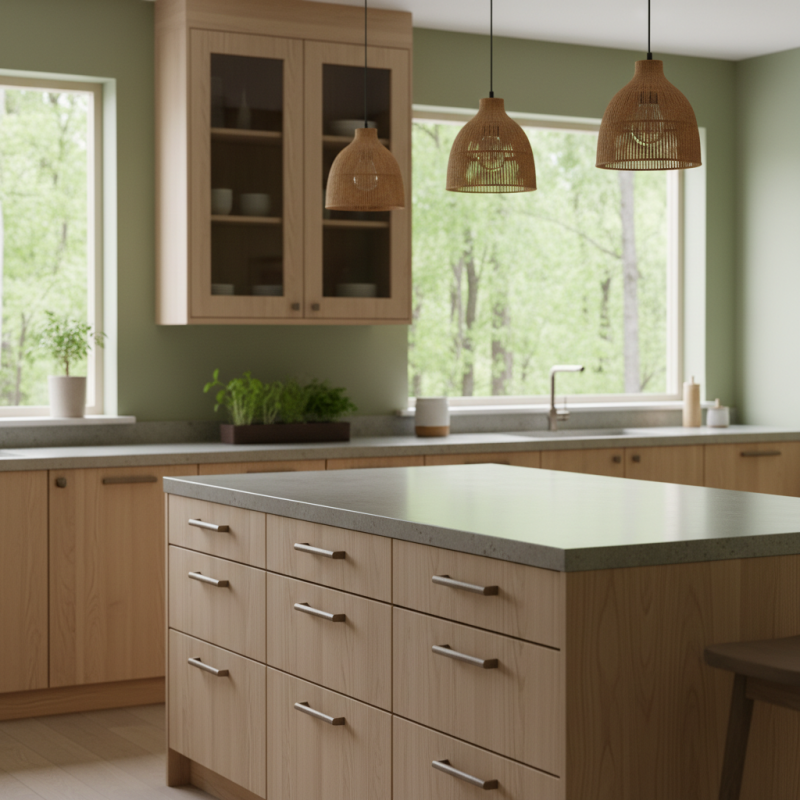
Top 10 Eco-Friendly Standards for Custom Cabinetry Today
In today’s world, eco-friendly standards play a crucial role in custom cabinetry. Environmentally conscious consumers often seek cabinets made from sustainable materials. Bamboo and reclaimed wood are increasingly popular choices. They are not only stylish but also eco-friendly. These materials reduce the demand for new lumber, helping to conserve forests.
Low-VOC finishes are essential for reducing indoor air pollution. These finishes are safer for the environment and for those using the cabinetry. Another important standard is the use of water-based adhesives. These alternatives minimize harmful emissions. They are effective without compromising quality.
Certifications such as Forest Stewardship Council (FSC) ensure responsible sourcing. However, not all manufacturers prioritize these certifications. Transparency in sourcing and production processes is key. Customers should ask questions and demand clarity. This level of engagement can drive positive changes in the industry.
Understanding Eco-Friendly Materials in Cabinetry Production
Eco-friendly materials are pivotal in cabinetry production today. Sustainable materials play a significant role in reducing environmental impact. According to the Forest Stewardship Council (FSC), more than 60% of wood products come from non-certified sources. Addressing this can drive change.
Plywood made from rapidly renewable resources offers an alternative. Certified options reduce deforestation and support responsible forestry practices. A report from the U.S. Green Building Council states that materials such as bamboo score high in sustainability. Bamboo can grow to maturity in just 3-5 years.
Additionally, MDF (Medium Density Fiberboard) made from reclaimed wood is gaining traction. It reduces waste and preserves forests. While these options are promising, challenges remain. Consumer awareness is crucial. Many homeowners are still unaware of the benefits of sustainable materials. This gap in knowledge slows progress toward greener choices in cabinetry.
Top 10 Eco Friendly Standards in Custom Cabinetry Production
This chart illustrates the importance levels of various eco-friendly standards in custom cabinetry production. The data shows how different standards rank in terms of their significance for sustainability and environmental impact.
The Role of FSC Certification in Sustainable Wood Sourcing
FSC certification plays a critical role in sustainable wood sourcing. The Forest Stewardship Council (FSC) sets rigorous standards for forestry practices. It ensures wood products come from responsibly managed forests. These forests are healthy, legal, and sustainable. Over 500 million acres of forest are certified by FSC worldwide.
Research indicates that consumers are increasingly prioritizing sustainability. A Nielsen report shows that 73% of global consumers prefer environmentally friendly products. This trend extends to custom cabinetry, where FSC certification boosts consumer trust. Additionally, using FSC-certified wood can reduce the carbon footprint of cabinetry. Approximately 30% less carbon dioxide is emitted when sourcing from certified forests.
However, not all suppliers meet these standards. Some may falsely claim FSC certification, which can mislead consumers. Verification and transparency are essential for achieving true sustainability. Consumers must ask for documentation and proof of certification. This scrutiny helps in making informed decisions that support sustainable practices in the cabinetry industry.
Low-VOC Finishes: Importance in Eco-Conscious Cabinetry Design
Low-VOC finishes are crucial in eco-conscious cabinetry design. VOCs, or volatile organic compounds, can significantly pollute indoor air quality. These compounds may lead to health issues like headaches and respiratory problems. Reports from the Environmental Protection Agency (EPA) indicate that indoor air can be two to five times more polluted than outdoor air. Therefore, using low-VOC finishes can make a substantial difference.
When selecting finishes for custom cabinetry, consider water-based options. These are often lower in VOCs compared to solvent-based counterparts. Look for certifications such as Greenguard, which ensures products meet strict chemical emissions limits. In a 2021 study, it was found that using low-VOC finishes can reduce harmful emissions by 75% over traditional finishes.
Tip: Always check the safety data sheets before choosing a product. Many finishes appear eco-friendly but may still contain harmful substances. Reflect on the long-term impact of your choice. While low-VOC finishes are better, they may not completely eliminate all harmful chemicals. Prioritize transparency in product formulation and research thoroughly. Your cabinetry choice can significantly influence your living environment.
Energy-Efficient Manufacturing Processes for Custom Cabinetry
In today’s green-conscious world, energy-efficient manufacturing processes for custom cabinetry are essential. The global furniture manufacturing industry is responsible for 1.4 billion metric tons of CO2 emissions annually. By adopting energy-efficient techniques, manufacturers can significantly reduce their carbon footprints. Reports indicate that using machinery with advanced energy-saving features can cut energy use by over 30%.
Sourcing sustainable materials is another critical factor. Many manufacturers are now utilizing reclaimed wood and recycled materials, which not only reduce waste but also decrease energy consumption during production. Studies show that using these materials can lower energy use by 20-40% in the manufacturing process. However, there is a challenge in balancing aesthetics and environmental impact. Custom cabinetry often emphasizes luxury and design, but these can conflict with sustainable practices.
Additionally, adherence to eco-friendly standards can lead to increased costs. Manufacturers must navigate the fine line between sustainable production and financial feasibility. Energy-efficient processes may require upfront investments, which can deter some businesses. Yet, the long-term benefits, in terms of both environmental and economic impact, are undeniable. The industry must continue to evolve, seeking innovative solutions to balance aesthetics, sustainability, and efficiency.
Lifecycle Assessment: Measuring the Environmental Impact of Cabinets
Lifecycle assessment (LCA) is crucial for understanding the environmental impact of custom cabinetry. This process evaluates a cabinet's life from raw materials to disposal. In recent studies, cabinetry production accounts for over 30% of a home's total environmental impact. The materials used and energy consumed play significant roles.
Wood products can be sustainable if sourced responsibly. For instance, certified wood from well-managed forests minimizes deforestation. However, many cabinets still use particleboard, which often contains harmful adhesives. These adhesives release volatile organic compounds (VOCs) during and after production, negatively affecting indoor air quality. Research shows that alternative materials, like reclaimed wood or bamboo, can significantly reduce these emissions.
The transportation phase also impacts LCA. Many manufacturers ship materials globally, increasing carbon footprints. Local sourcing can mitigate this effect. Companies should consider the entire lifecycle, not just production. This comprehensive approach helps identify opportunities for improvement and innovation in eco-friendly cabinetry. As we move towards greener practices, continuous assessment remains essential for genuinely sustainable choices.
FAQS
: Eco-friendly standards help reduce environmental impact and support sustainability in cabinet production.
Bamboo and reclaimed wood are popular choices. They are stylish and support forest conservation.
Low-VOC finishes minimize indoor air pollution and are safer for people and the environment.
Check for certifications like Greenguard and review safety data sheets for harmful substances.
LCA evaluates the environmental impact of cabinets from raw materials to disposal stages.
Responsible sourcing, like certified wood, minimizes deforestation and harmful emissions during production.
Particleboard often contains harmful adhesives that can release VOCs affecting indoor air quality.
Shipping materials globally increases carbon footprints, making local sourcing a better option.
Think about the long-term impact on your home environment and prioritize transparency in products.
While better, low-VOC finishes may not remove all harmful chemicals entirely, so research is essential.
Conclusion
What are the eco-friendly standards for custom cabinetry? The pursuit of sustainable practices in cabinetry involves understanding eco-friendly materials, which play a critical role in reducing environmental impact. Key standards include the use of FSC-certified wood, ensuring that materials are sourced responsibly. Additionally, employing low-VOC finishes is essential for maintaining indoor air quality, contributing to a healthier living environment.
Energy-efficient manufacturing processes are also vital in minimizing the carbon footprint of cabinetry production. Furthermore, conducting lifecycle assessments helps measure the environmental impact from production to disposal, guiding consumers and manufacturers alike in making informed, eco-conscious decisions. By adhering to these eco-friendly standards, the cabinetry industry can promote sustainability while meeting the aesthetic and functional needs of consumers.
 AJS Furniture
