When planning a bathroom renovation, one key question arises: "What is the standard height for bathroom vanities?" According to industry expert Sarah Thompson, an interior designer known for her work on residential spaces, “The right vanity height can transform how you use a bathroom daily.” This highlights the importance of understanding standard measurements for vanities.
Typically, bathroom vanities are about 30 to 36 inches high. This range caters to various user needs, making the space both functional and comfortable. However, many homeowners overlook this detail. Custom vanities can stray outside these norms, affecting usability. Heights that are too low or too high can lead to awkward experiences during daily routines.
Keep in mind that everyone's preferences differ. What feels comfortable for one person might not work for another. While aiming for standard heights is essential, personal comfort should guide your choice. It's important to consider who will use the vanity most often. Reflecting on these factors can lead to a more satisfying bathroom experience.
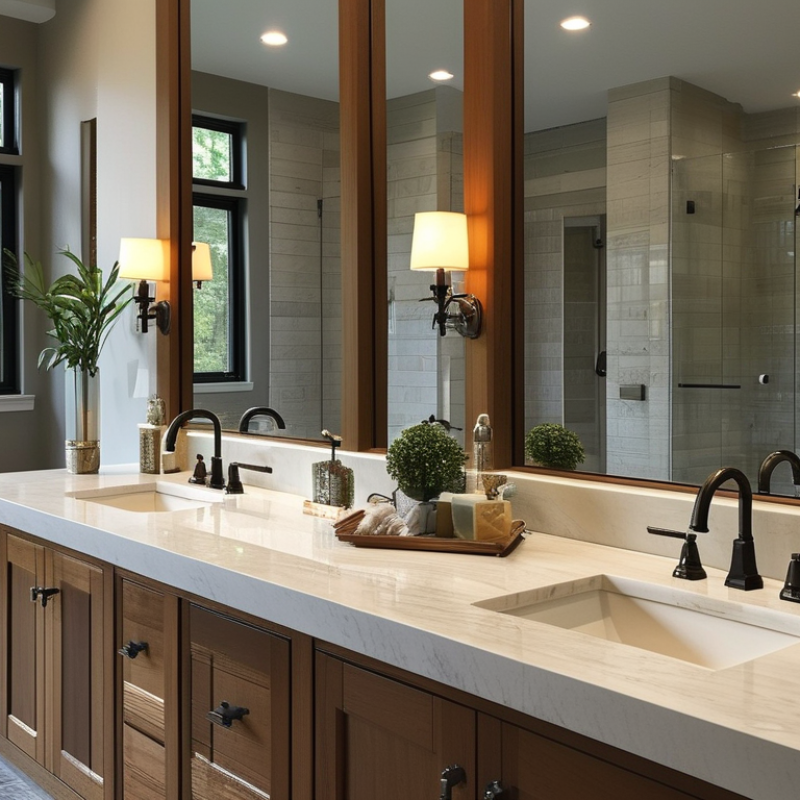
Understanding Bathroom Vanity Heights
When it comes to bathroom vanity heights, understanding standard measurements is essential. Most vanities range from 30 to 36 inches in height. The standard height of 32 inches was common in older homes, catering to a different ergonomic need. Modern bathroom designs favor taller vanities, often measuring around 36 inches. This shift addresses the comfort of taller individuals and provides a more stylish appearance.
Choosing the right height depends on individual preferences and user needs. For example, families with children may benefit from slightly lower vanities. Conversely, taller adults might prefer higher vanities for ease of use. Adjusting height can enhance accessibility and overall experience. However, one must also consider the plumbing setup. Raising a vanity could complicate installations and require professional assistance.
Designing a bathroom with the right vanity height involves some reflection. It’s important to visualize how each user interacts with the space. For instance, an optimal height can minimize strain when brushing teeth or washing hands. It is crucial to prioritize comfort and functionality over aesthetics. Finding this balance may take some experimenting with various options before settling on the perfect fit for your bathroom.
Standard Height for Bathroom Vanities
Standard Height Measurements for Vanities
When considering bathroom vanities, height is a crucial aspect. The standard height for bathroom vanities typically ranges from 30 to 36 inches. This range accommodates the average user comfortably. Taller individuals often prefer a height closer to 36 inches, while shorter users might find 30 inches more suitable. It’s vital to choose a height that feels right for you.
Custom vanities are becoming more popular due to varying user needs. People of different heights and mobility may require adjustments. Some may find themselves bending down too much or struggling to reach the faucet. Measuring your own height can guide you. If you purchase a pre-made vanity, be prepared to consider your specific requirements. A single height does not meet everyone's need.
The vanity's height can affect overall bathroom design and functionality. Positioning it correctly matters. Think about your everyday tasks, from brushing teeth to applying makeup. A well-placed vanity enhances comfort. You might discover that the standard heights just don’t work for you. Reflect on your habits to find the ideal fit for your space.
Factors Influencing Vanity Height Selection
Vanity height is crucial for optimal bathroom function. The standard height for bathroom vanities typically ranges from 30 to 36 inches. However, this standard is evolving due to changing user needs and design trends. According to a recent survey by the National Kitchen and Bath Association, around 70% of homeowners now prefer vanities in the 34 to 36-inch range. This shift is partly influenced by more people using the bathroom for grooming activities, which require more comfort and accessibility.
Factors influencing vanity height include user height, age, and usage patterns. Taller individuals may benefit from higher vanities, while shorter users might require lower options. Additionally, children and elderly family members often need special consideration. When planning for a family bathroom, parents should think about growth and changing needs. Safety features, like rounded edges, also play a role in vanity design. Monitoring these factors can lead to a more functional space.
Consider customizing the vanity height. An adjustable vanity can cater to various user heights. It's worth looking into ergonomic designs. Pay attention to the sink height as well; it should align with the vanity for easy access. Using a mockup or templates can help visualize the ideal setup. Even small adjustments can make a big difference in comfort. Always remember to balance style with practicality.
Adjusting Vanity Height for Comfort and Accessibility
When considering bathroom vanities, height plays a crucial role in both comfort and accessibility. The standard height for most vanities typically ranges from 30 to 34 inches. However, adjusting this height can significantly enhance usability for a variety of individuals. A study by the American Institute of Architects indicates that a height of 32 to 36 inches can accommodate more users comfortably, promoting better posture and reducing strain during daily routines.
Accessibility is also an essential factor. According to the National Kitchen & Bath Association, nearly 20% of American adults experience some form of mobility challenge. For these individuals, a taller vanity may not only improve comfort but also ease access. Heights of 34 to 36 inches can better serve those who use wheelchairs, making personal care routines easier. Yet, while taller vanities provide benefits, they may not cater to everyone. There’s a risk of alienating shorter users, leading to a potential discomfort in the bathing experience.
Finding the right balance is vital. Individual preferences can vary widely. Consulting with professionals in bathroom design and collecting feedback can yield insights on optimal heights. The goal is to streamline comfort while ensuring that everyone can enjoy a functional and stylish space. With thoughtful consideration, bathroom vanities can be tailored to meet the needs of all users effectively.
Popular Vanity Height Trends and Styles
When selecting a bathroom vanity, height is a key consideration. The standard height for bathroom vanities has shifted over the years, reflecting changes in user needs. Traditionally, most vanities were around 30 to 32 inches. However, current trends favor taller vanities, typically ranging from 34 to 36 inches. This change aligns with the increasing height of the average adult. A report from the National Kitchen and Bath Association indicates that more homeowners prefer these elevated designs, as they cater to comfort during daily use.
Current vanity styles showcase a mix of traditional and modern influences. Many homeowners opt for floating vanities, which can visually expand a space while also allowing customizable heights. In more contemporary setups, dual sinks are becoming popular, often accompanied by higher countertops for added convenience. Designers suggest that taller vanities can enhance functionality, yet they can also pose challenges for shorter individuals or children. Finding the balance between style and usability can often require careful consideration and planning.
Material choices also impact height trends. For instance, stone countertops can add significant weight and height, influencing how a vanity is perceived in a space. Bamboo and reclaimed wood are often favored for their eco-friendly nature, frequently resulting in unique, variable heights. As trends shift, designers must stay aware of demographics and user experiences, inviting reflection on personal preferences and practical needs.
What is the Standard Height for Bathroom Vanities? - Popular Vanity Height Trends and Styles
| Vanity Type |
Standard Height (inches) |
Trends |
Styles |
| Standard Vanities |
30-32 |
Classic |
Traditional, Contemporary |
| Comfort Height Vanities |
34-36 |
Accessible |
Transitional, Modern |
| Kids’ Vanities |
24-28 |
Functional |
Fun, Colorful |
| Floating Vanities |
30-34 |
Space-saving |
Modern, Minimalist |
| Double Sink Vanities |
30-36 |
Family-friendly |
Sleek, Elegant |
FAQS
: The standard height typically ranges from 30 to 36 inches.
Taller vanities, usually 34 to 36 inches, cater to comfort and changing user needs.
Taller individuals often prefer higher vanities, while shorter users may require lower options.
They should think about growth and special needs for children and elderly family members.
A height of 34 to 36 inches aids individuals with mobility challenges, improving ease of use.
Yes, adjustable vanities can accommodate various user heights effectively.
Heavy materials like stone can raise a vanity's perceived height, influencing design choices.
Using mockups can help visualize the ideal setup and enhance comfort in the bathroom.
Yes, safety features like rounded edges play an important role in vanity design.
Taller designs may alienate shorter users, leading to discomfort in the bathing experience.
Conclusion
When considering "What is the standard height for bathroom vanities," it is essential to understand various factors that contribute to the ideal measurements. Standard bathroom vanities typically measure between 30 to 36 inches in height, accommodating the average user's comfort. However, the height can be influenced by individual preferences, the intended user demographic, and design trends that prioritize accessibility and ergonomics.
As homeowners increasingly seek personalized spaces, adjustments to vanity height have become common. Factors such as user height and specific needs for comfort and accessibility play a crucial role in determining the final height of a bathroom vanity. Additionally, popular styles may favor taller vanities, creating a contemporary aesthetic while ensuring functionality. Ultimately, understanding these guidelines helps homeowners select the perfect vanity that blends style with comfort.
 AJS Furniture
