AJS Furniture
Choosing the right material for kitchen cabinets is crucial. It affects aesthetics, durability, and functionality. However, many homeowners struggle with this decision. Understanding how to choose the best material for kitchen cabinets can simplify the process.
Consider various options like wood, laminate, and metal. Each has unique advantages and drawbacks. For example, solid wood offers a traditional look but requires regular maintenance. Laminate is cost-effective and easy to clean but may lack depth. Metal cabinets are sleek and modern but can dent easily.
Reflecting on your lifestyle is essential. Do you cook often? Children or pets around? These factors influence the choice of materials. It's not just about appearance; it's about longevity and practicality. The decision can feel overwhelming, but with careful consideration, you can find materials that suit both your style and needs.
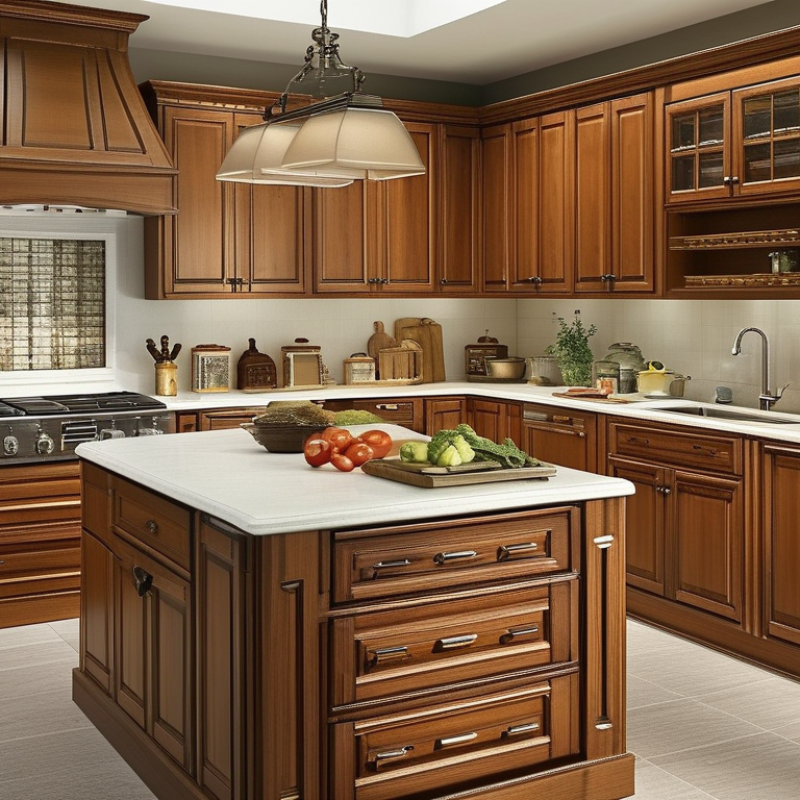
Choosing the right material for kitchen cabinets can be overwhelming. Various materials offer different aesthetics and functionalities. Solid wood is a popular choice for its classic appeal. It brings warmth and a natural look. However, it can be prone to warping in moist environments.
Plywood is often more durable, combining strength and resistance to moisture. It is a better option for areas with high humidity.
Laminate cabinets are budget-friendly and come in a variety of colors. They are easy to clean, but can scratch and chip more easily than wood alternatives. Metal cabinets are gaining popularity for their industrial look and durability. Still, they may lack the warmth that wood provides. Reflect on how each material fits your kitchen's style and usage.
Consider your cooking habits and maintenance preferences.
Don't forget about the finish. A high-gloss finish may look modern but shows fingerprints easily. Matte finishes can hide smudges but might require more effort to clean. Each choice has its pros and cons. Assessing your needs can guide you in making the right decision.
When evaluating cabinet materials, durability is key. Wood, for instance, offers beauty but requires maintenance. It can warp in humid conditions. It needs regular sealing to protect against moisture, which may be inconvenient for busy households. On the other hand, metal cabinets are robust. They resist scratches and dents, but they can feel cold and industrial. Make sure to consider your kitchen's climate before deciding.
Maintenance also varies between materials. Laminate is easy to clean and often more affordable. However, it may not withstand heavy impacts well. You might discover chips or bubbles over time. Solid wood could develop scratches or stains that are harder to remove. Some homeowners find themselves regretting their choice after a few years. It's crucial to weigh the long-term upkeep against initial appeal. Choosing a material that aligns with your lifestyle can often bring unexpected challenges. Be prepared for a little trial and error in the maintenance department.
When choosing kitchen cabinet materials, cost is a crucial factor. Different materials come with varying price tags. Solid wood is often more expensive than particleboard. This price difference can affect your overall budget. Many homeowners feel tempted to save by choosing cheaper materials. However, cheaper options might lead to longer-term costs.
Consider the installation costs as well. Some materials require professional installation, adding to the total expense. Cabinets made from plywood may be a great balance of quality and price. On the other hand, laminate is budget-friendly, yet less durable. If you are looking for beauty and longevity, a mid-range option could suit you.
Remember to evaluate the potential for wear and tear. High-quality materials tend to withstand daily use better. Investing in good materials may save you money in the long run. Take time to reflect on your choices. Think about how the material fits your lifestyle and preferences. A hasty decision can lead to dissatisfaction over time. Planning is essential to ensure you get the best value for your money.
Choosing the right material for kitchen cabinets can significantly enhance the overall design. When considering aesthetic appeal, it’s crucial to match cabinet materials with your kitchen’s style. For modern kitchens, sleek materials like laminate or high-gloss finishes can create a contemporary feel. Wood veneers, on the other hand, offer warmth that suits a rustic or farmhouse look.
Colors and textures also play a vital role. Dark woods may add elegance to traditional designs, while lighter materials can brighten a space. Incorporating glass inserts can add sophistication and a hint of luxury. However, be cautious; glass requires regular cleaning to maintain its shine. Additionally, some materials may not hold up well in humid environments, leading to potential issues over time.
Don’t forget functionality alongside aesthetics. Cabinets must withstand daily use. A beautiful finish can become a point of frustration if it doesn’t stand the test of time. While certain materials may look stunning initially, they could show wear early. Researching durability and maintenance is critical. Balancing beauty and practicality can ultimately lead to a kitchen you love.
| Material | Durability | Maintenance | Aesthetic Appeal | Cost |
|---|---|---|---|---|
| Plywood | Highly durable, resistant to warping | Easy to clean, moderate maintenance | Versatile design options, can be finished in various styles | Mid-range |
| MDF (Medium Density Fiberboard) | Good durability, prone to moisture | Requires sealing, regular cleaning | Smooth surface for paint, good color retention | Affordable |
| Solid Wood | Very durable, can last for decades | Requires regular oiling and maintenance | Classic and warm aesthetic, available in various woods | High-end |
| Laminate | Moderately durable, can chip | Low maintenance, easy to clean | Available in many colors and finishes | Budget-friendly |
| Metal | Very durable and resilient | Easy to maintain but can scratch | Modern and industrial look | Mid to high |
When choosing materials for kitchen cabinets, it’s essential to consider their sustainability and environmental impact. The manufacturing process of cabinets can significantly influence our planet. For instance, plywood and particle board may contain harmful adhesives that release volatile organic compounds (VOCs). In contrast, solid wood is generally more sustainable, especially when sourced from responsibly managed forests. According to the Forest Stewardship Council, certified wood is a reliable indicator of environmental responsibility.
Tips: Look for materials that are certified as low-VOC. This choice benefits indoor air quality.
Recycled materials are gaining popularity. These products often come with lower carbon footprints. A report from the Green Building Council suggests that using reclaimed wood can reduce deforestation rates and conserve resources. However, these options may sometimes have limited aesthetic choices. It's crucial to balance sustainability with design preferences.
Tips: Visit local suppliers to see recycled options. You might find unique textures and colors.
Reflect on the life cycle of the materials. Some cabinets may look appealing but have hidden environmental costs. Ensure you understand the entire supply chain. Make informed decisions that align with your values and lifestyle. The right choices can positively impact your kitchen and the environment.
This chart represents the environmental impact scores of various kitchen cabinet materials based on sustainability criteria such as renewability, carbon footprint, and recyclability. A higher score indicates a more sustainable choice.
: Solid wood is popular for its classic appeal, but it can warp in moist environments.
Plywood is more durable and resistant to moisture, making it better for high humidity areas.
Laminate is budget-friendly and comes in various colors, but it scratches and chips more easily.
Reflect on your kitchen's style, your cooking habits, and how much maintenance you are willing to take on.
High-gloss finishes show fingerprints easily. Matte finishes can hide smudges but may require more cleaning effort.
Yes, different materials have varying costs. Cheaper options may lead to higher long-term expenses.
Consider the environmental impact. Solid wood is more sustainable if sourced from responsibly managed forests.
Some materials release volatile organic compounds, which can harm indoor air quality. Low-VOC options are better.
Yes, recycled materials reduce the carbon footprint but often have limited aesthetic choices.
Hasty decisions can lead to dissatisfaction. Take time to reflect on your needs to get the best value.
When considering "how to choose the best material for kitchen cabinets," it's essential to understand the various options available, including wood, laminate, metal, and MDF. Each material offers distinct advantages and disadvantages in terms of durability, ease of maintenance, and overall cost, making it crucial to evaluate these factors carefully.
In addition to functionality, aesthetic appeal plays a significant role in selecting cabinet materials that harmonize with the kitchen's design. Homeowners should also consider sustainability and the environmental impact of their choices, opting for materials that are both eco-friendly and durable. By weighing these aspects, one can make an informed decision that balances beauty, functionality, and responsibility.
