AJS Furniture
When homeowners encounter the frustrating issue of "Why is my bathroom cabinet peeling at the bottom," it often traces back to a combination of moisture damage and poor materials. According to industry reports, nearly 40% of bathroom cabinets face significant wear due to high humidity environments. This problem can lead to costly repairs or replacements if left unaddressed.
Improper sealing and inferior finishes may worsen the situation. A survey by the National Kitchen and Bath Association reveals that over 30% of homeowners are dissatisfied with their cabinetry's longevity. These statistics emphasize the importance of quality over cost when choosing materials for bathroom cabinets.
In many cases, inadequate ventilation contributes to this peeling issue. It is essential to consider factors such as air circulation and maintenance. Ignoring these aspects can result in unsightly and damaging conditions, leading to reflection on choices made during renovations. Prioritizing long-lasting materials and thoughtful design can prevent peeling and save money in the long run.
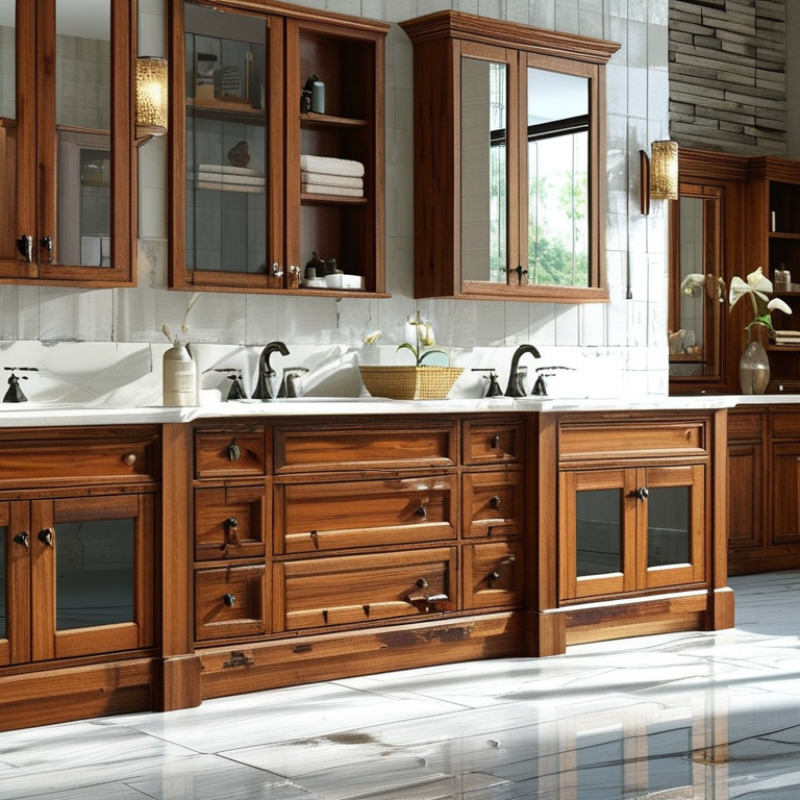
Bathroom cabinets often peel at the bottom due to various factors. One common cause is moisture exposure. Bathrooms are humid spaces, and without proper ventilation, moisture can accumulate. This is particularly troubling for wooden cabinets. The wood absorbs moisture, leading to swelling and eventual peeling of the finish.
Another issue stems from inadequate sealing and waterproofing. When cabinets are not properly sealed, water can easily seep into the edges. Over time, this gradual infiltration breaks down the material. Other factors include high traffic and cleaning products. Frequent use can wear away protective coatings. Harsh cleaning agents can also strip finishes, leaving surfaces vulnerable to damage.
It’s important to regularly inspect your cabinet. Small signs of wear should not be overlooked. Addressing these early can prevent extensive damage later. Remember, maintaining a bathroom cabinet is not just about aesthetics. It’s also about ensuring its longevity.
Humidity and moisture play crucial roles in the longevity of bathroom cabinets. High humidity levels lead to excess moisture in the air. This can cause wooden cabinets to swell and warp. When moisture seeps into the materials, it can break down the finish. As a result, peeling often occurs, especially at the bottom of cabinets.
Proper ventilation is essential. Without it, steam from showers and baths accumulates. This persistent moisture weakens the cabinet’s structure over time. It's important to keep bathroom windows open or use exhaust fans. Regularly checking seals and caulking can also help. Yet, many homeowners overlook these simple solutions.
Ignoring signs of moisture damage can lead to a bigger problem. It may require costly repairs or replacements. Homeowners should regularly inspect their cabinets for signs of peeling or warping. Taking action early can prolong the life of your cabinets. A little effort can go a long way in maintaining their appearance and function.
Bathroom cabinets often face peeling issues, especially at the bottom. This damage frequently stems from poor quality materials. Using subpar materials increases vulnerability to moisture and humidity. When water seeps in, it can weaken the wood or laminate, leading to unsightly peeling.
Investing in durable materials is essential for longevity. High-quality engineered wood or water-resistant finishes can prevent peeling. On the other hand, low-quality options may appear appealing initially but can lead to regret. Choosing durable products means considering the bathroom's environment, which is often humid. Small details, like additional protective coatings, can drastically improve cabinet lifespan.
Reflecting on cabinet choices can reveal deeper issues. Many homeowners prioritize cost over quality, which may lead to frequent replacements. Evaluating the long-term value of materials is crucial. Considering how often moisture will interact with these cabinets may guide better choices.
| Reason | Description | Effects | Solution |
|---|---|---|---|
| Poor Quality Materials | Cabinets made from low-grade particle board or MDF. | Increased susceptibility to moisture damage and peeling. | Choose solid wood or high-quality plywood. |
| Moisture Exposure | Constant contact with water from sink or shower. | Warping, bubbling, or peeling at the bottom. | Install a moisture barrier or use water-resistant materials. |
| Inadequate Sealing | Poorly applied sealant or lack thereof on edges. | Entry of water leading to damage over time. | Regularly check and reapply sealant as needed. |
| Improper Installation | Cabinet not leveled or secured correctly. | Water pooling at specific areas causing localized damage. | Ensure proper leveling and professional installation. |
| Lack of Maintenance | Ignoring signs of wear or damage. | Accelerated peeling and deterioration over time. | Conduct regular inspections and maintenance. |
| Heat Exposure | Proximity to heating elements or direct sunlight. | Causes warping and peeling of the finish. | Use heat shields or reposition the cabinet. |
| Poor Manufacturing Process | Inadequate quality control during production. | Weak joints and finishes leading to peeling. | Purchase from reputable manufacturers with good reviews. |
| Chemical Damage | Exposure to harsh cleaning agents or chemicals. | Deterioration of the cabinet's surface and finish. | Use mild cleaners and avoid chemical exposure. |
| Weight Distribution | Overloading shelves or doors with excessive weight. | Cabinet structure may weaken and peel. | Distribute weight evenly and remove excess items. |
| Old Age | Natural wear and tear over time. | Loss of integrity and finish leading to peeling. | Consider replacement or refinishing of the cabinet. |
Bathroom cabinets are prone to peeling, especially at the bottom. This often happens due to moisture exposure. To combat this issue, regular maintenance is essential.
Start by ensuring proper ventilation in your bathroom. Use exhaust fans or open windows during showers. This helps to reduce humidity. Wipe down your cabinets after each use. A simple dry cloth can prevent lingering moisture. Check for any leaks in plumbing or fixtures. Addressing water sources early can save major repairs later.
Consider using a protective sealant on the bottom of your cabinet. This adds an extra layer against moisture. Regularly inspect your cabinets for signs of damage. Peeling paints or bubbled surfaces indicate an underlying problem. Early action can help extend the life of your furniture. Remember, a little maintenance goes a long way.
Peeling at the bottom of your bathroom cabinet is a common issue. It often signals underlying problems. Inspect for water damage. If you notice swelling or discoloration, it's time for action.
Warning signs are clear. Look for cracks or exposed wood. These indicate moisture has penetrated your cabinet. Mold growth is another red flag. If you see black spots, act quickly. This could lead to health issues.
Tips: Keep your bathroom ventilated. Use exhaust fans to reduce humidity. Regularly check for leaks around the sink. Apply a protective sealant to your cabinets. This simple step can help prevent future damage.
Pay attention to other signs. If your cabinet doors stick, it might indicate swelling. Peeling paint or laminate also calls for inspection. Remember, addressing these issues promptly can save you money in repairs. Ignoring them will only escalate the problem.
: Moisture exposure is a common cause. Bathrooms are humid, especially without proper ventilation.
Inadequate sealing allows water to seep in. This can break down the material over time.
High humidity causes wood to swell and warp. It can lead to peeling finishes.
Ensure proper ventilation. Keep windows open or use exhaust fans during showers.
Harsh cleaning agents can strip finishes, making surfaces more vulnerable to damage.
Regular inspections are key. Look for signs of wear to prevent extensive damage later.
It’s unwise to overlook small signs. Early action can prevent bigger, costly repairs.
No, it’s also about the cabinet's longevity. Proper care extends its function and style.
Ignoring them could lead to bigger issues, requiring expensive repairs or replacements.
If you're wondering, "Why is my bathroom cabinet peeling at the bottom?" it often results from a combination of humidity, moisture exposure, and poor-quality materials. Bathrooms are notoriously humid, and consistent exposure to steam and water can lead to the degradation of the cabinet's finish, causing it to peel over time. Additionally, using low-quality materials can significantly shorten the lifespan of your cabinets, making them more susceptible to wear and tear.
To avoid this issue, it's essential to implement maintenance tips, such as using mildew-resistant finishes and ensuring adequate ventilation in your bathroom. Be vigilant for signs that your cabinet needs immediate repair or replacement, including noticeable peeling, warped surfaces, or water stains. Taking proactive steps can help in extending the life of your bathroom cabinets and keeping them looking great for years to come.
